
Web Design Trends in 2014
Though web design has come a long way, it is still a sophisticated digital craft that only a few have been able to master. No doubt one of the simplest ways to keep in league with the industry is to analyse the latest trends. This post will explore a list of features that are likely to prove popular during this year and ways that you will be able to implement them into your websites.
HTML5
It has been several decades since HTML was introduced, and with the rise of HTML5 new techniques and procedures that used to take many lines of codes to create can now be done in a few. By using the latest version of web editors, such as Dreamweaver, you too will be able to create modern designs with just a few drags and drops.
CSS3
To be fair, CSS has only revolutionized to create new flashy effects and even responsive web design. Examples include turning texts 3D and making image always enlarged to the size of your browser. Fortunately due to the simplicity of CSS in general, using an online CSS generator is a great way to mindlessly create CSS codes.
Web Apps
With the advent of HTML5, CSS3, and certain server-side scripts working together, the past couple of years have driven a surge in demand for web apps. It was announced last year that Google is currently designing solutions to take this idea further by using technologies that will enable users not only to run apps online but also to store information offline, similar to phone apps.
The outcome of this is likely to be developed this year, and businesses that provide digital solutions, such as call center and online service providers in the Philippines, are already preparing to leverage these advancements to improve user interaction and data management.
Larger Photos and Effects

As technology matures and moves beyond plain text, many new websites—from fashion companies to technology blogs—are utilizing more photos in their web designs. Not just small JPEG files, but large images that take over entire backgrounds.
The good news for web designers is that they won’t need to spend too much time compressing files, since many people around the world now have access to faster internet. For example, platforms focused on AI-driven trading like BitTrade AI leverage rich visuals to engage users, while tech and media sites such as Riqz use high-quality imagery to enhance user experience and branding.
Choose Your Host Wisely

Even though this doesn’t have much to do with designing the website, it is very crucial that you consider the visitors who will be coming to your site. One easy way to speed up loading time is to choose a host located in the country of your targeted audience. This is also one of the latest tactics many big websites are using to not only increase usability but also improve SEO.
Businesses that cater to travel and tourism, for example, can benefit from local hosting to serve content quickly, just like Africa Joy Tours ensures smooth experiences for its visitors. Similarly, enterprise-level digital solutions often leverage regional servers for performance, such as those offered by Sutherland Global Digital Engineering services.
Validate Your Code
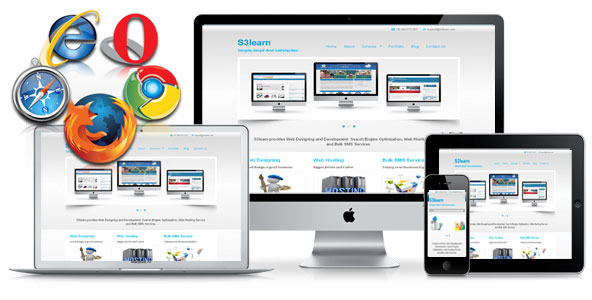
Lastly, the most important thing that no web designers should ever skip is to validate their codes. This will ensure that your website will be able to be viewed properly among all the different browsers and devices in the world today.
