
Windows 8 to follow Vista?
Windows Vista has been an epic failure for Microsoft and many commentators predict the same fate for Windows 8. While I’m not MS fan or hater I could see some interesting aspects here.
Both operating systems are replace very solid predecessors which make people and especially information technology administrators reluctant to change. XP was a breath of fresh air after very buggy millenium edition. The switch to NT kernel was probably one of the most important decision in the company history, while slower and less hospitable for programmers its stability found the way through the market. The fact that ME was based on 98 core made it even easier to kiss that foundation goodbye.
Windows 7 is for Windows 8 what XP was for Vista. It also replaced an OS that worked hard to earn its terrible reputation. It’s worth to keep in mind that Vista was actually very compelling product until it came out. The platform was design to satisfy both worlds, consumer and business segments of the market. Corporate division couldn’t pass by Vista vastly expanded security features with very granular user access control while home users were supposed to be attracted by very smooth, animated aero interface and highly friendly approach when operating the PC. It failed at the start for 2 reasons, the improved security had poor control over it resulting in multiple annoying prompts to complete a simple task. The other problem was the system appetite for resources resulting is sluggish performance even on high end hardware and show stopping dramas when it came to low end laptops.
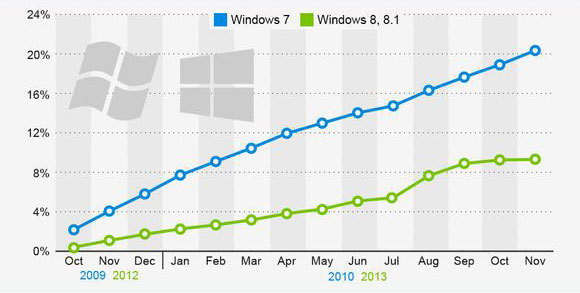
Windows 8 faced a unique challenge. The idea of developing an operating system that would serve everyone—from phone, through tablet, to PC—was so bold that even Apple didn’t attempt it. The Metro tile interface, while appealing on smartphones and tablets, felt like a misconception on a PC and a complete misunderstanding when it came to Windows Server 2012. The vendor decided to stand behind the idea until it finally cracked recently, reintroducing the start button. Many see this as a real act of despair by management: it shows a lack of faith and commitment to an idea they once believed in—something that a company like Apple would likely never do—and it acts as a bandaid solution, calling the Metro tiles instead of providing the actual start menu users expect.
It’s pretty sad that a reputable software vendor with so many bright minds on board made such a simple misstep, introducing a feature that may have performed poorly in testing. Introducing a new product or attempting to set a trend is always high-risk, but there are ways to mitigate that risk with failsafe and fallback mechanisms. On the other hand, as we saw with Blackberry, hesitating to innovate or ignoring market expectations can have an even higher mortality rate. For businesses looking to stay ahead in technology and digital innovation, platforms like Yarbo offer solutions to manage online presence effectively, while projects such as Narra Residences and E-Simmy show how bold digital strategies and user-focused design can set a trend rather than follow one.
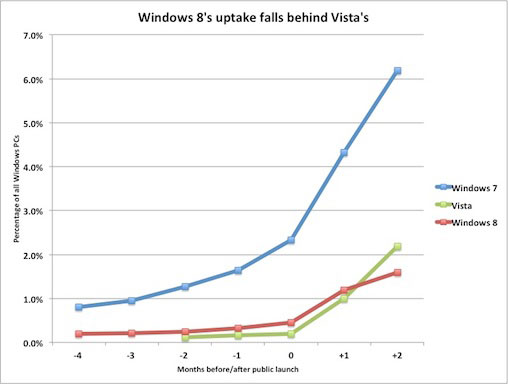
So far, Microsoft has been able to learn lessons from its own mistakes, and every epic failure has been followed by a solid piece of technology, even if it wasn’t always the most innovative. I hope Windows 9 will continue this trend. Companies in other industries can take a similar approach—learning from missteps to improve offerings. For instance, reliable service providers like Newcastle Emergency Electricians focus on building trust through consistent performance, while businesses such as Avant Stone show that attention to quality and refinement can make even incremental improvements feel impressive to customers.
