
How To Prevent Pests From Entering Your Home
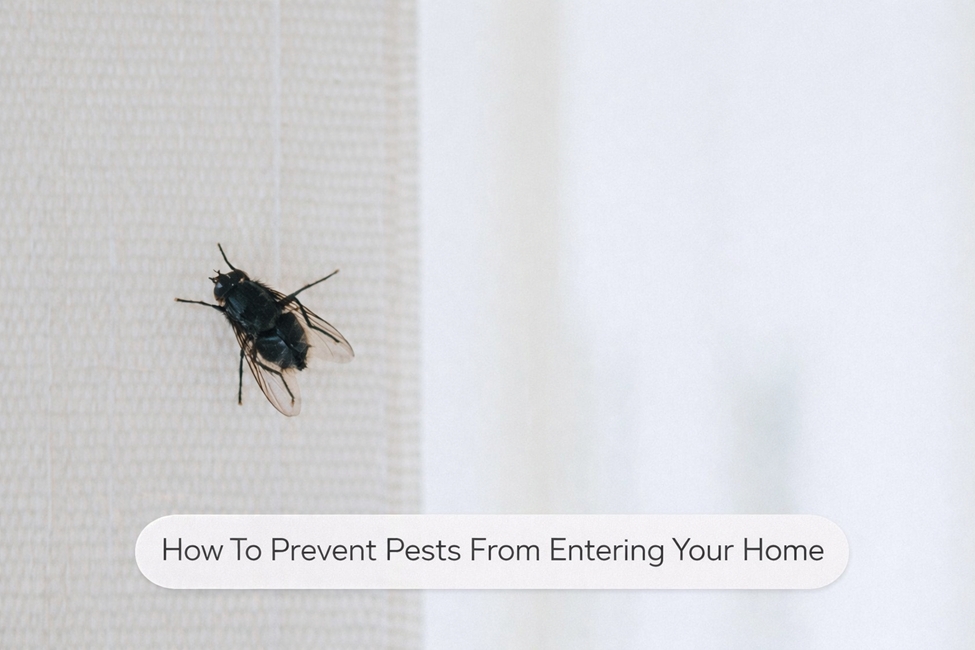
Your home must be where you feel comfortable and safe. However, when pests such as ants, cockroaches, rodents, or termites get into the premises, comfort may soon disappear. These unwanted guests are not only annoying; they may also contaminate food, damage property, and even affect your health.
However, there is something most homeowners are not aware of. Pests do not just come out of thin air. They normally enter houses to seek food, water, or shelter. When the needs are easily available, then your home becomes the best place for them to stay.
The good news is that pests are always easier to prevent than to eliminate completely. There are several basic habits and maintenance measures you can implement to make your house much less inviting to these trespassers. In this guide, you will find real, actionable tips for keeping pests out of the house.
1. Seal Every Possible Entry Point
Many pests can squeeze through holes that seem too small to matter. Examples include mice that can squeeze through holes as small as a coin, while insects require even less space.
Begin by checking the exterior of the house. Check walls, doors, windows, vents and pipes for cracks, gaps, and openings. The holes may be small, but they can create space for entry.
Use caulk or foam-sealant to seal these areas. Such materials are cheap and simple to use, yet can achieve a significant difference.
If you live in Oklahoma or nearby areas and want a more thorough inspection, working with top companies like Tulsa Pest Control Service Company can help you identify hidden points you might otherwise miss.
There should also be tight-closing doors and windows. If there is a gap beneath a door, a door sweep can be installed to easily prevent pests from entering. Also, inspect the window screens regularly to ensure there are no tears or damage.
By sealing these small openings, you create a barrier that keeps pests outside where they belong.
2. Keep Your Home Clean and Food Secure
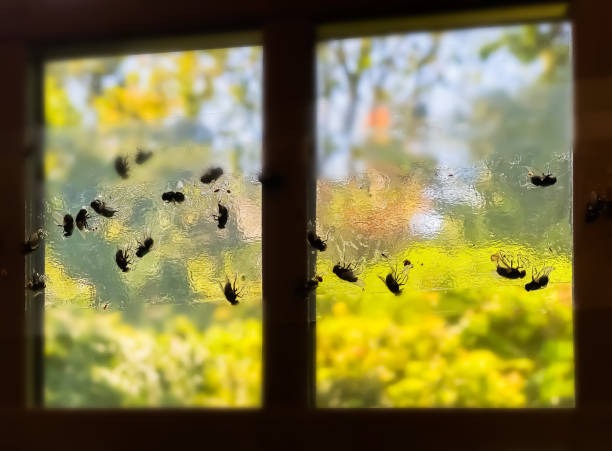
One of the largest causes of pest intrusion into homes is food. A small crumb or spillage may attract ants, cockroaches, and rodents.
Maintaining your home helps eliminate these food sources.
Kitchen surfaces ought to be wiped frequently, and spills ought to be cleaned as soon as they occur. Space behind refrigerators and stoves should also be inspected, as crumbs accumulate there.
Food storage matters as well. Pests can easily get to food that is in open snack bags or loosely closed containers. Airtight containers can help preserve food and prevent insect-attracting smells.
There should also be trash management. The garbage bins should be tightly lidded, and you must remove the trash regularly to avoid attracting pests with odors.
Pests will hardly remain at home when food sources are scarce.
3. Eliminate Moisture and Standing Water
Another significant factor that draws pests is moisture. Insects and rodents find ways to reach wet places.
Checking for leaks is a good place to start. Leaks in the pipes, dripping tap water, and wet spaces below sinks can create the ideal habitat for pests.
Kitchens and bathrooms should also be well-ventilated to reduce humidity. Exhaust fans can keep these areas dry, too.
Another important thing is to avoid standing water. Sinks, buckets, and containers with water left in them could become infested with insects within a short time.
Outside the house, ensure that water does not collect around it. Good drainage will prevent the accumulation of moisture around the house, which is a breeding ground for pests.
By keeping your home drier, you will make it less attractive to most household pests.
4. Maintain Your Yard and Outdoor Areas
Pest prevention does not stop at your front door. Many infestations occur outside, and later pests make their way into houses.
And one way to minimize these risks is to take care of your yard.
Your home should be trimmed of bushes and tree branches that come into contact with it. These branches may serve as access routes for insects and rodents to your house.
Mow the grass, and remove the heaps of leaves or rubbish frequently. Pests have shelter in these areas.
Also, don’t store firewood next to the house; instead, stack it away from the house. This helps minimize the risk of insects being carried into your home from the woodpile.
An orderly, well-kept yard will prevent pests from finding a place near your house.
5. Schedule Regular Pest Inspections
As much as you may be good at preventing pests, the pests may occasionally find some secret entry places in your house.
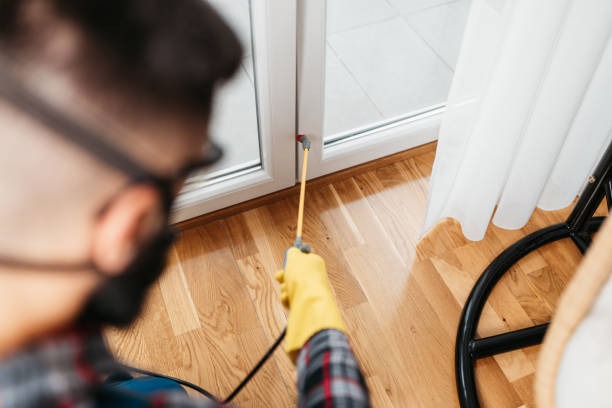
Periodic pest inspections help identify potential problems in time.
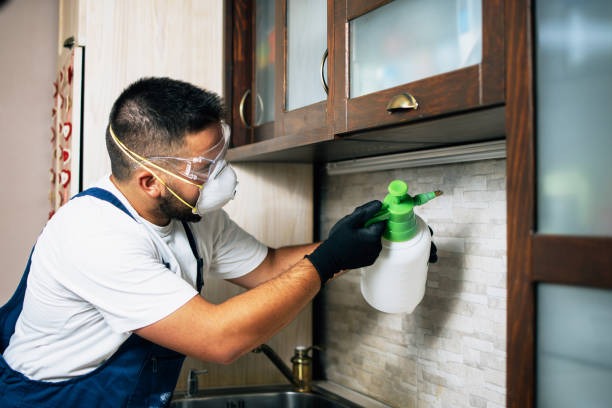
Professionals are aware of the places where pests typically hide, including basements, attics, and crawl spaces. They will be able to monitor pest signs in these areas before an infestation increases.
Regular checkups can also help homeowners address risks promptly and maintain a pest-free environment.
This approach is not always as difficult and expensive as responding to a full-scale pest problem later.
Keep Your Home Protected From Unwanted Visitors
Preventing pests is all about removing the things they need to survive. When food, water, and shelter are limited, pests will usually move elsewhere.
Simple actions like sealing entry points, maintaining cleanliness, controlling moisture, caring for your yard, and scheduling inspections can make a big difference.
With these steps in place, your home becomes far less inviting to pests, allowing you to enjoy a cleaner, safer, and more comfortable living space.