
A Guide To Applying ISO Placenta Serum Effectively
Breakouts do not necessarily stop upon the clearance of the acne. Uneven spots, acne scars, and areas that seem to be too slow to heal remain long after. As a result, skin begins to become either dull or bumpy, despite a routine that is supposed to be effective. And it is the space between action and achievement where frustration is born.
In such cases, an appropriately planned repair-oriented serum would modify that trend. ISO Placenta formula is made to aid the recovery of the skin, particularly after acne or irritation. With correct usage, they can aid in calming stressed areas and improving texture over time. This variation is based on the meaningful use of the product, rather than a hunch.
This guide tells you how to use ISO Placenta serum, how much of it you need, and which products to combine it with to achieve the most consistent improvement over time.
1. Skin Preparation Before Application
Proper preparation sets the foundation for effective use of ISO Placenta serum. Clean skin releases the active ingredients without any interference. This is best done with a mild cleaner, particularly with one that does not remove the natural oils. Severe washing may downgrade the skin barrier repair capacity of the serum.
After cleansing, pat the skin dry instead of rubbing. Damp skin can dilute the serum and affect absorption. A balanced toner can follow if it supports hydration without alcohol content. Healthy pH levels improve how the serum interacts with the skin surface.
Scientific literature supports the importance of barrier preparation. Moreover, a healthy skin barrier regulates ingredient penetration and helps reduce irritation risk. Consistent prep ensures better outcomes with targeted treatments.
2. Correct Serum Application Method
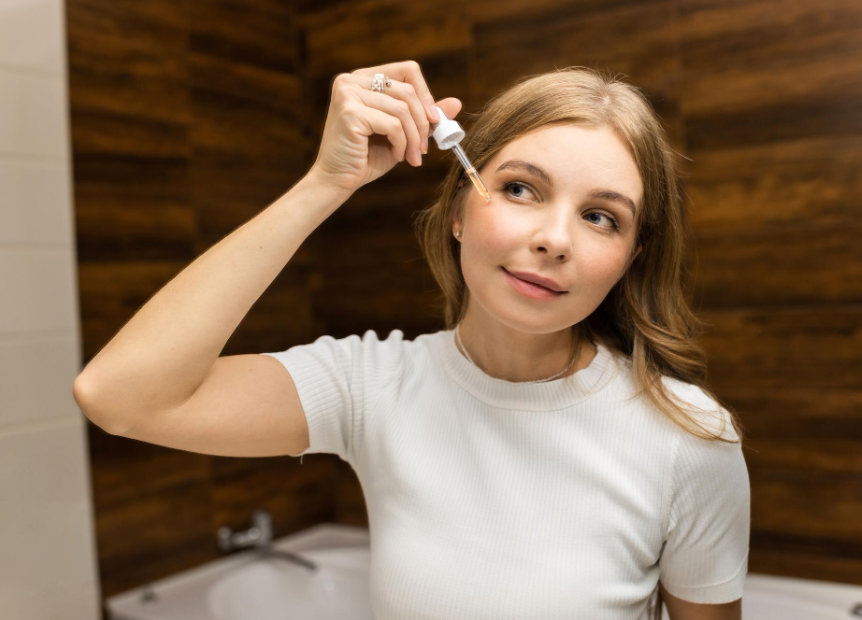
The technique of application also affects results more than one might think. For best results, use a small amount of serum and apply it to the affected areas, usually just a few drops. Additionally, avoid spreading the serum across the entire face unless necessary. Instead, targeted applications help focus on the active ingredients where repair is needed.
Press the serum gently into the skin using fingertips. Do not rub aggressively. Pressing improves absorption and minimizes irritation. The goal is to allow the product to settle into the skin rather than sit on the surface.
Timing also matters. Apply the serum after cleansing and before heavier products. Proper layering helps ensure the active ingredients absorb efficiently and work as intended without interference from thicker formulas.
3. Best Frequency For Visible Results
It is important that there is consistency rather than intensity. Therefore, once or twice daily application of the serum is quite sufficient. Excessive use is not quickening, and it can also strain the delicate skin. So, use a routine you can get along with in the long run.
Morning application supports daily protection, while evening use supports overnight repair. Skin naturally regenerates at night, so applying the serum in the evening can be especially beneficial. This rhythm aligns with the body’s natural repair cycle.
Clinical research supports structured routines. Additionally, consistent topical treatment schedules improve skin recovery outcomes compared to irregular use. Regular application leads to steady improvement rather than temporary results.
4. Pairing With Other Skincare Products
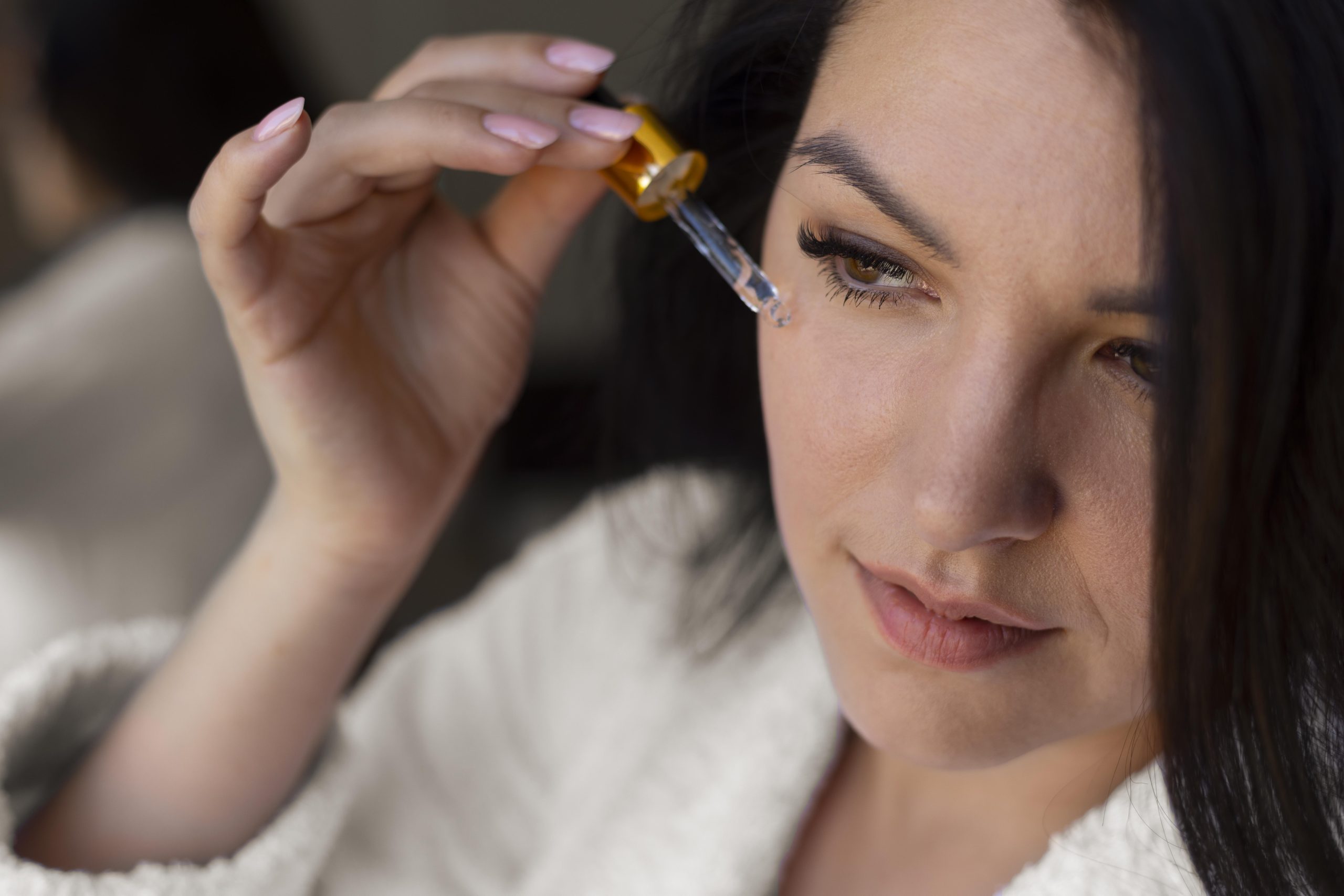
Combining products requires careful selection. ISO Placenta serum works best with gentle, hydrating formulas. Heavy exfoliants or strong actives can interfere with its soothing function. Keep the routine simple to avoid conflicting effects.
Moisturizers play a key role after serum applications. They help lock in hydration and support the skin barrier. Choose formulas with ceramides or lightweight emollients. These ingredients complement the repair process rather than compete with it.
One needs to use sun protection during the day. In general, treated skin is more responsive and at times more sensitive to UV exposure. Therefore, a wide-spectrum sunscreen is used to guard against the gains realigned by the serum and avoid further harm.
5. Common Mistakes That Reduce Effectiveness
Excessive application of the product is a common error. In fact, increased volume of serum does not translate to superior outcomes. As a result, overproduction may accumulate on the skin and block the pores. Therefore, the dosage is controlled and prevents wastage.
Efficiency is also constrained by the omission of preparation processes. The use of serum on dirty or greasy skin decreases penetration. Therefore, the active components must have a clean surface to be effective. Consequently, when prep is ignored, it usually results in dismal outcomes.
Another common issue is inconsistent use. Many people stop after a few days when results are not immediate. Skin repair takes time. Sticking to a routine is essential for visible improvement. Patience plays a critical role in skincare success.
Conclusion
Precision and consistency are the keys to the successful application of ISO Placenta serum. The skin should be clean to boost absorption, whereas layering should be properly done to avoid interference with the active ingredients. A targeted and small application will aid in the attention to the areas that require repair the most.
In the long term, this method helps achieve a more homogenous texture, even color, and faster healing from breakouts or other irritating conditions. However, the tendency to omit steps or hurry the process usually leads to uneven distribution, and in such cases, results will not meet expectations. Therefore, paying attention to detail is more important than adding additional products.
Start with a routine you can maintain every day. Use a gentle cleanser, apply a small amount of serum only where needed, and seal it in with a supportive moisturizer. During the day, always add sun protection to prevent further damage. Stay patient and consistent, because visible improvement builds gradually.